Introduction:
Well, no one knows what the hell is going to happen in the future. The majority of finance influencers suggest a lot of assets to you, and one of those assets tends to be a winner, and they will proudly claim, “I predicted it right,” while ignoring the fact that all the other suggestions didn’t happen. Well, people, including me, are too lazy to fact-check all their claims. So anyway, I am also making such statements, believing this article wouldn’t surface later if all of them are losers. Anyway, check it out.
The problem with finance is that many of the big winners that we see today, like Bitcoin, are things most people would probably never have heard about when they first came out. There are thousands of companies and projects that enter the market every year, and somehow, a few of them tend to become big. One cannot say which one will be the next winner, but based on the necessity of that product, one can say how big the market can become if it wins.
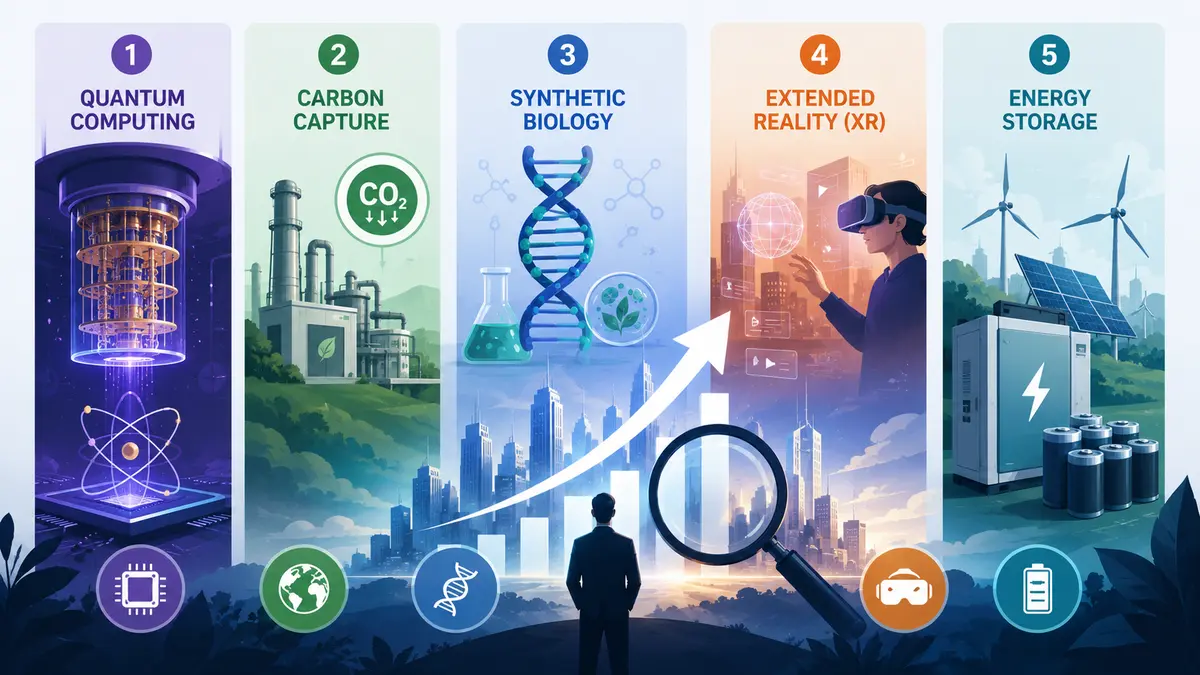
With that in mind, below are five sectors that could see significant capital allocation in the future. Again, these are not guaranteed winners, but rather more like a set of “high-risk, high-upside themes,” meaning “go big or go home.” Many of them may fail if development does not go in the expected direction. The investment timeline is also highly uncertain, which makes them difficult to evaluate in the short term but potentially rewarding over longer horizons.
1. Quantum Computing:
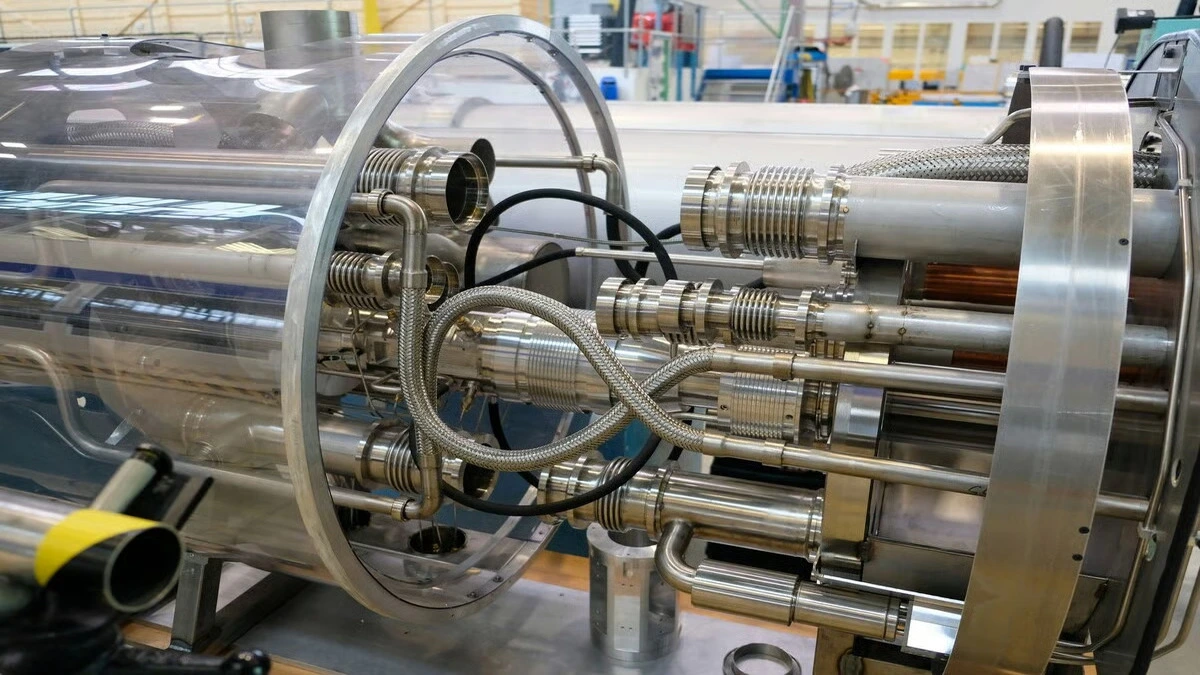
Quantum computing is an emerging field within computer science and engineering that leverages the principles of quantum mechanics to solve problems beyond the capabilities of even the most powerful classical computers. In theory, quantum machines could solve certain complex problems in minutes or hours that would take conventional systems thousands of years.
Major technology players such as IBM, Google, Microsoft, and D-Wave Systems are currently leading development efforts in this space.
As of today, the quantum computing market is estimated to be around $2–5 billion, reflecting its early-stage, research-driven nature. Future projections vary widely: some analysts expect the market to exceed $100 billion by 2030, while others including industry leaders argue that practical, everyday quantum utility may still be 15–20 years away.
If the technology matures successfully, quantum computing could unlock massive value across several domains:
Drug discovery and material science
Financial modeling and optimization
Cryptography and cybersecurity
In addition, quantum computing holds strong strategic importance, making it a priority area for government funding, particularly in the context of national security and technological leadership.
However, the risks are equally significant. Progress is slow, development costs are high, and the entire field depends on achieving key scientific and engineering breakthroughs. The timeline for commercialization remains highly uncertain, making this a high-risk, high-reward theme.
2. Carbon Capture & Climate Engineering
Carbon capture and climate engineering refer to a set of technologies aimed at reducing or removing carbon dioxide (CO₂) from the atmosphere to mitigate climate change. These include capturing emissions directly from industrial sources, removing CO₂ from the air (Direct Air Capture), and broader interventions such as carbon sequestration and geoengineering approaches.
Leading companies and organizations in this space include Climeworks, Carbon Engineering, Occidental Petroleum, and Global CCS Institute, alongside major oil & gas and industrial players investing in large-scale projects.
As of today, the carbon capture market is estimated to be around $3–5 billion, but this figure is heavily influenced by government subsidies, pilot projects, and early-stage deployments. Long-term projections are highly optimistic, with some estimates suggesting a $50B–$150B+ market by 2030–2040, driven by global decarbonization goals.
If scaled successfully, this sector could play a critical role in:
Decarbonizing hard-to-abate industries (cement, steel, chemicals)
Achieving net-zero emissions targets
Creating new carbon credit and removal markets
A key driver of this sector is government policy and regulation. Initiatives such as carbon pricing, tax credits, and emissions targets particularly in regions like the U.S. and Europe are essential for making these technologies economically viable.
However, the risks are substantial. Many carbon capture solutions are currently expensive and energy-intensive, with unclear long-term profitability without continued policy support. There are also debates around scalability, environmental impact, and whether climate engineering approaches could create unintended consequences.
Overall, carbon capture and climate engineering represent a policy-driven, high-uncertainty, but potentially essential sector in the global transition to a low-carbon economy.

3. Synthetic Biology
Synthetic biology is an emerging field that combines biology, engineering, and computer science to design and modify living organisms for useful purposes. By programming cells much like software, scientists can create new biological systems or redesign existing ones to produce drugs, materials, fuels, and chemicals more efficiently.
Leading companies and platforms in this space include Ginkgo Bioworks, Twist Bioscience, Moderna, and Illumina, supported by advances in DNA sequencing, gene editing, and bioinformatics.
As of today, the synthetic biology market is estimated to be around $15–25 billion, with expectations to grow significantly over the next decade. Some projections suggest a $100B+ market by 2030–2035, driven by falling costs in DNA sequencing and synthesis, as well as increasing demand for sustainable and bio-based production.
If successfully scaled, synthetic biology could transform multiple industries:
Healthcare (drug development, vaccines, gene therapies)
Agriculture (engineered crops, alternative proteins)
Industrial manufacturing (bio-based chemicals and materials)
Environmental solutions (biodegradation, carbon utilization)
A major tailwind for this sector is the rapid decline in the cost of reading and writing DNA, combined with the integration of AI-driven biological design. This enables faster experimentation and commercialization compared to traditional biotech approaches.
However, the risks are significant. Development timelines are long, regulatory approval processes are complex, and many companies may struggle to translate scientific breakthroughs into profitable products. There are also ethical and safety considerations around genetic engineering that could influence public acceptance and policy.
Overall, synthetic biology represents a long-duration, high-innovation sector with the potential to reshape multiple industries, but it requires patience, careful selection, and an understanding of both scientific and regulatory risks.

4. Extended Reality (XR: AR + VR)
Extended Reality (XR) is an umbrella term that includes Augmented Reality (AR) and Virtual Reality (VR), technologies that blend or fully immerse users in digital environments. AR overlays digital information onto the real world, while VR creates entirely virtual, interactive experiences.
Major technology companies driving this space include Meta, Apple, Microsoft, and Sony, all investing heavily in hardware, software ecosystems, and developer platforms.
As of today, the XR market is estimated to be around $30–50 billion, with projections suggesting it could grow to $150B–$300B+ by 2030, depending on the pace of adoption and technological improvements.
If widely adopted, XR has the potential to become a major computing platform across several domains:
Gaming and entertainment
Remote work and collaboration
Education and training simulations
Healthcare and industrial design
A key driver of this sector is the push toward a next-generation computing interface, potentially replacing or complementing smartphones and traditional screens. Enterprise adoption particularly in training, design, and simulation is already showing early traction.
However, the risks remain significant. Consumer adoption is still uncertain due to hardware limitations, cost, and user experience challenges such as comfort and battery life. There is also the question of whether XR becomes a true mass-market platform or remains a niche technology.
Overall, XR represents a platform-shift opportunity with high uncertainty. If it achieves widespread adoption, it could redefine how humans interact with technology, but the timeline and scale of that transition remain unclear.

5. Energy Storage
Energy storage refers to technologies that store energy for use at a later time, playing a critical role in balancing supply and demand especially with the growing adoption of renewable energy sources like solar and wind. These systems help stabilize power grids, improve energy efficiency, and enable electrification across industries.
Key players in this space include Tesla, BYD, CATL, and LG Energy Solution, along with a broader ecosystem of material suppliers and grid infrastructure companies.
As of today, the energy storage market is estimated to be around $50–100 billion, with strong growth expected as global energy systems transition toward renewables. Some projections suggest the market could exceed $200B–$400B+ by 2030, driven by increasing demand for grid-scale storage and electric vehicles.
If this trend continues, energy storage will be foundational to several key areas:
Renewable energy integration (solar and wind)
Electric vehicles (EV batteries)
Grid stability and peak demand management
Backup power and decentralized energy systems
The primary driver of this sector is the global push for decarbonization and electrification, supported by government policies, subsidies, and infrastructure investments. As renewable energy penetration increases, the need for efficient and scalable storage solutions becomes unavoidable.
However, there are risks to consider. The sector is highly competitive, and many technologies especially batteries face commoditization pressure, which can reduce margins. Additionally, advancements depend on improvements in materials, cost efficiency, and supply chains (e.g., lithium, nickel).
Overall, energy storage represents a high-growth, infrastructure-driven sector with relatively clearer demand compared to other emerging technologies, but returns will depend on scale, cost leadership, and technological differentiation.

Disclaimer: This article is for educational purposes only and is not financial advice. Don’t you dare lose money and sue my ass. I am not responsible for your investment decisions. Do your own research or hire a qualified financial professional. Don’t blame me.